
Prairie Carbon is a high-integrity carbon and water stewardship platform that benefits climate-conscious companies, rural economies, and the environment.


The Prairie Carbon platform is rooted in
improving water quality and biodiversity
while boosting rural economies.
















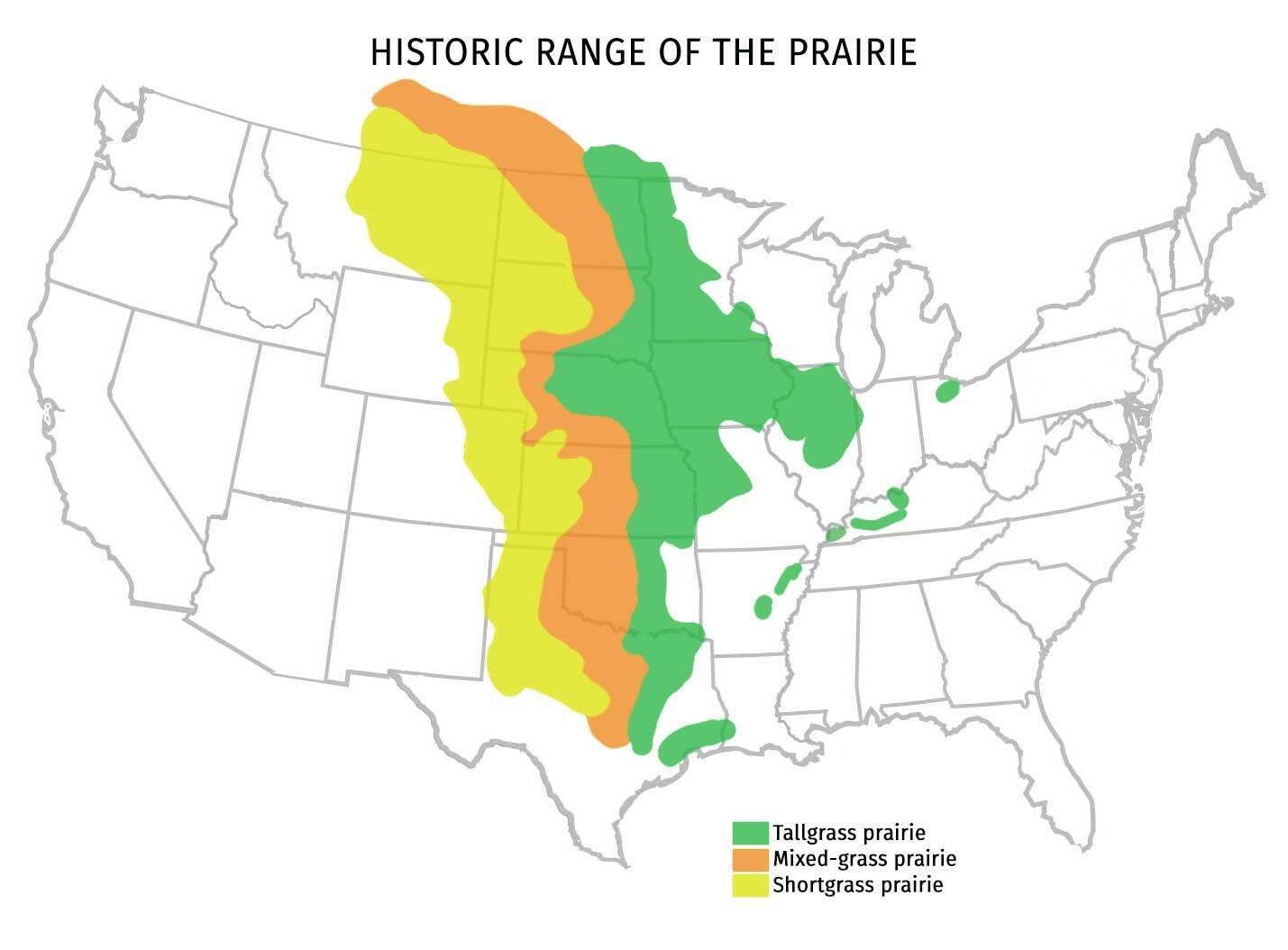
Prairies are carbon sinks, meaning they capture C02 and store carbon deep underground. Healthy prairie can increase soil carbon sequestration 4x, increase healthy soil microbes 3x, and remove 0.5-2 tons of carbon per acre per year.

Prairie strips act as filters and significantly slow runoff, improving water quality. Installation of a prairie strips can reduce water runoff by 44%, retain nutrients like phosphorus and nitrate-nitrogen by reducing runoff up to 90%, and keep fertilizer and soil out of rivers and lakes.

Prairie provides critical habitat for pollinators, insects and wildlife that cannot thrive in row crops. Healthy prairie increase plant biodiversity by 1,300%, increase pollinator populations by 300%, and encourage the return of butterflies, grassland birds and native wildflowers, all immediately adjacent to corn and soybean fields.

By converting marginal land to healthy prairie, the Prairie Carbon platform boosts rural economies, putting additional revenue into the hands of landowners while reducing the net impact of corporate partners.
We have deep experience converting marginal cropland into resilient ecosystems that strengthen rural economies and help companies achieve their net-zero and biodiversity goals.